Your child comes home on Monday afternoon with a list of spelling words to learn by Friday.
The overwhelm is real, for both you and your child.
You see the list and think, How will we learn all these by Friday? In school, we practised spelling by writing words repeatedly. While repetition helps, learning is more effective when children understand phonics, sounds, and patterns, rather than just memorising words.
Using colour, movement, and creativity can make spelling practice more engaging and far less stressful. Aim for short, fun spelling activities each afternoon rather than cramming everything into one session.
Ready to set aside the stress? Start with these five simple and effective ways to revise spelling words at home.
1. Write the Spelling Words on a Wall or Chalkboard
Use chalk, a whiteboard, or even a large piece of paper stuck to the wall.
Once the words are written, look for spelling patterns, such as:
- digraphs (ch, sh, th)
- long and short vowel sounds
- silent letters
- common word endings
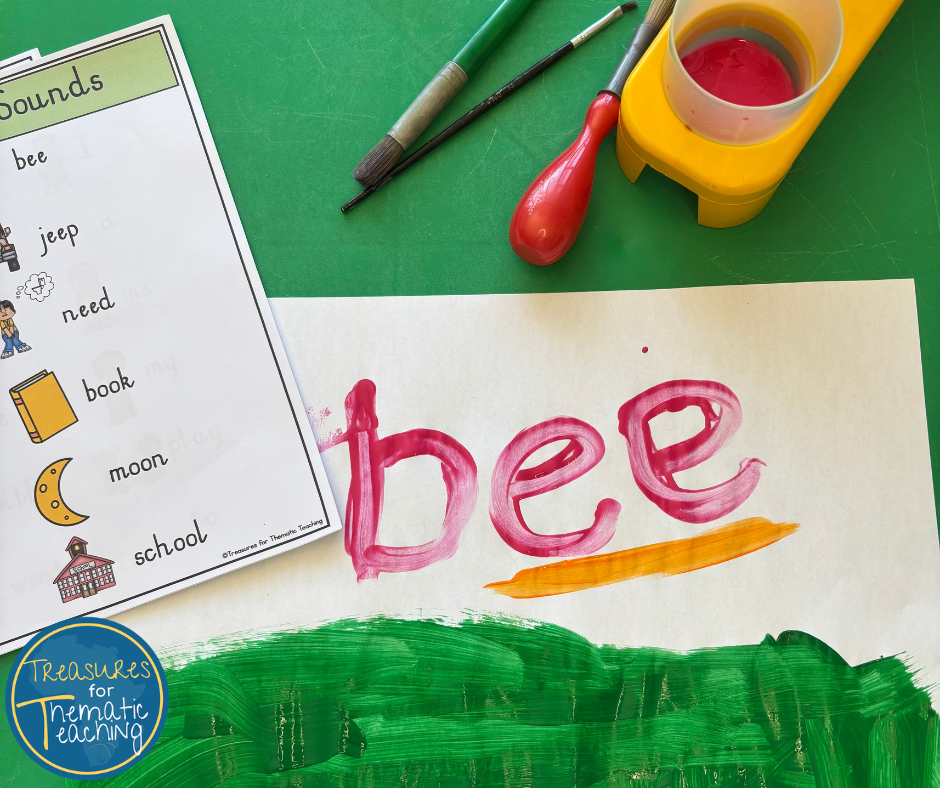
Use a different colour to highlight the same sound or pattern in each word. This helps children see word connections, strengthening their spelling understanding.
2. Build the Words with Magnetic Letters or Letter Tiles
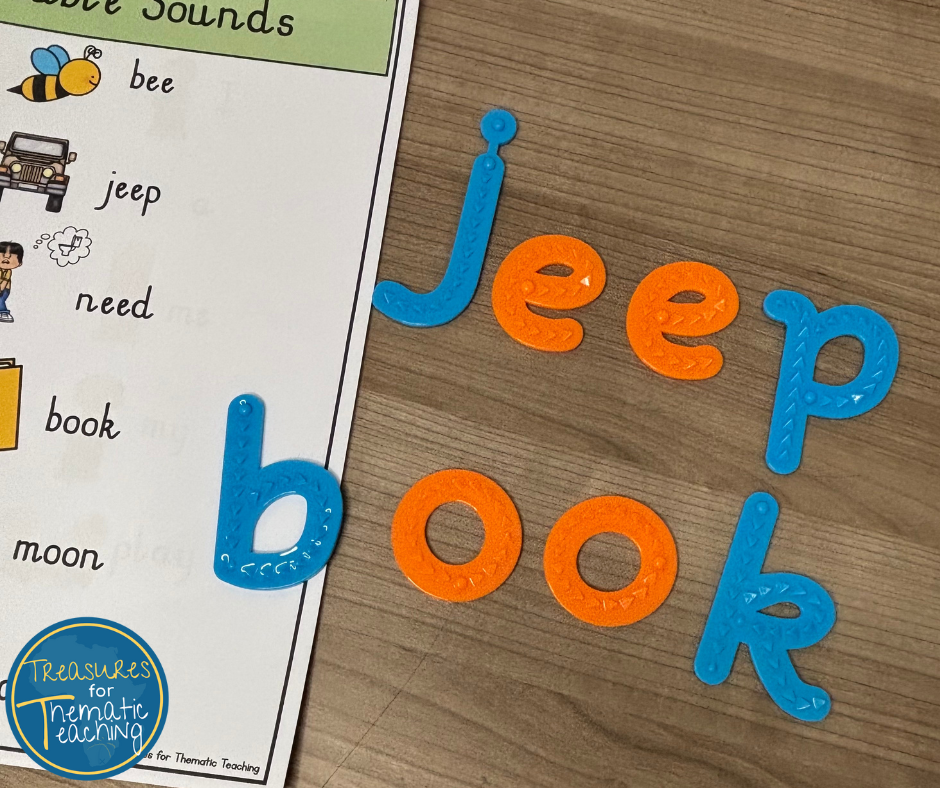
Magnetic letters, letter tiles, or homemade letter cards are excellent tools for hands-on spelling practice.
Ask your child to:
- Build each word
- Say the sounds out loud.
- Break the word apart and rebuild it.
Manipulating letters helps children connect sounds to spelling and supports deeper learning.
3. Use Movement to Learn Spelling Words
Movement makes learning more fun and keeps many children focused.
Try this activity:
- Bounce a ball or jump with a skipping rope.
- Call out a spelling word.
- Each bounce or jump represents one letter.
Challenge your child to spell the word without stopping. This helps active learners who struggle to sit still.
4. Make Spelling Creative
If your child loves art and hands-on activities, creative spelling is ideal.
Let them:
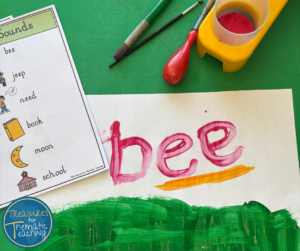
- Paint the spelling words (finger paint works well!)
- Make the words using Playdough.
- Create letters using collage materials.
The more senses involved, the stronger the memory connection.
5. When You’re Short on Time or Energy
Some afternoons are tough, and that’s okay.
If you need to keep things simple, practising writing spelling words on paper is perfectly fine. To make it more effective:
- Use colour to highlight tricky sounds.
- Underline patterns or silent letters.
- Talk briefly about why the word is spelt that way.
Even traditional spelling practice can be powerful with a small tweak.
Why Spelling Practice Needs More Than a Weekly Test
A good score on Friday’s test doesn’t mean your child will remember the words long term.
For many children, spelling words sits in short-term memory just long enough for the test. By the following week, they may struggle to spell the same word in their creative writing.
To move spelling into long-term memory, children need:
- Repeated exposure over time
- Help recognising sounds and spelling patterns.
- Regular opportunities to revisit and use words in context
Spelling success isn’t about cramming, it’s about understanding.
Final Thoughts
Spelling practice doesn’t have to be a daily battle. By keeping activities short, fun, and focused on sounds and patterns, you can help your child build real spelling skills that last far beyond Friday’s test.
Choose one or two activities that fit your child’s learning style and rotate them throughout the week for better retention. Consistent, small efforts make a noticeable impact.
With these strategies, spelling practice can become manageable and even enjoyable for you and your child. Remember: focus on progress over perfection.